A better paddle should solve a repeatable problem without creating two new ones.
Name the problem before the model
Write one sentence: “My reset lifts when I block a hard drive,” or “I reach late on the backhand.” These are not the same equipment problem. The first may involve rebound and grip pressure; the second may involve preparation or handling. A new surface material cannot replace a missing ready position.
Bring your current paddle. Without a baseline, a lively demo can feel exciting simply because it is unfamiliar. Use the same ball and the same feeder, and switch back halfway through. Do not compare one model fresh and another only after a long session.
Test the quiet shots first
Start with ten crosscourt dinks, ten blocks and ten transition resets. Record whether the ball stays playable; do not award extra points for a spectacular winner. Note how much conscious grip adjustment is needed to keep a normal ball low. A demo that requires constant correction may be demanding in a close game.
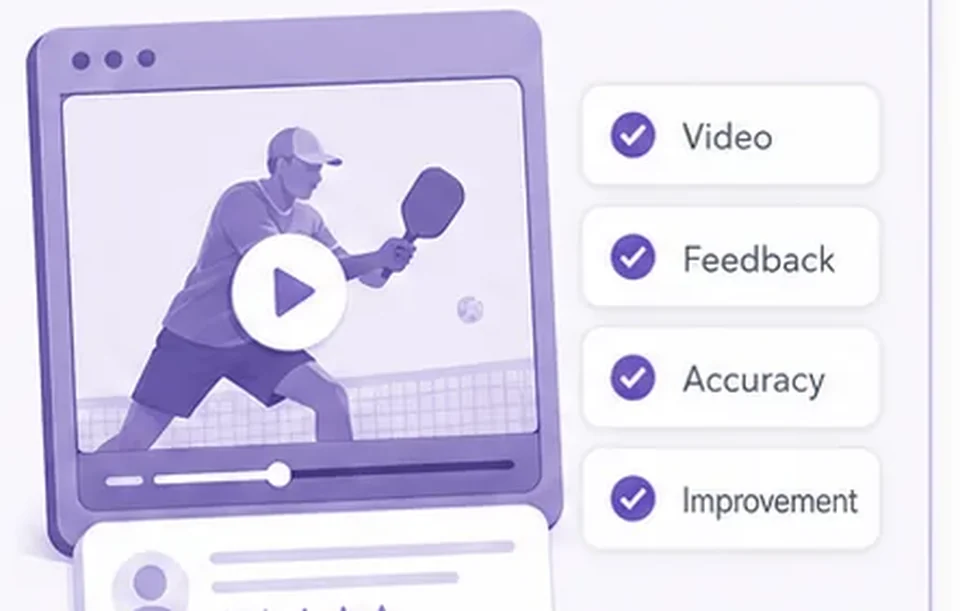
Then test drives and serves at a repeatable effort. Keep your target inside the line. The useful question is whether you retain direction when adding pace, not which paddle produces your single fastest shot. Film a few attempts from a safe position so that memory does not favor the last impressive hit.
Separate shape, handling and construction
Compare handle room for your actual two-handed grip, face width at off-center contact and how the paddle returns to ready position. Thickness alone does not describe swing weight, balance or rebound. Two paddles labeled 16 mm can require very different movements.
Make the buying decision after the session
Check the exact model and thickness against the equipment requirements of your event. An approval badge printed on an older product image is not proof of current eligibility. Confirm the return policy, warranty terms and any restrictions on used demos directly with the seller.
Choose only when the improvement appears in more than one drill. “Keep the current paddle” is a valid result. The comparison notes on Gear Lab are prompts for your test, not measurements from a Picklary laboratory or a promise that a professional’s paddle will suit your game.
Try it, then record it.
20-minute demo: soft game 8 min → controlled attacks 6 min → current-paddle retest 4 min → notes 2 min. Record three advantages and three compromises.
Open your worksheetPicklary practical framework. Practice targets are suggestions, not research findings or a certified rating.