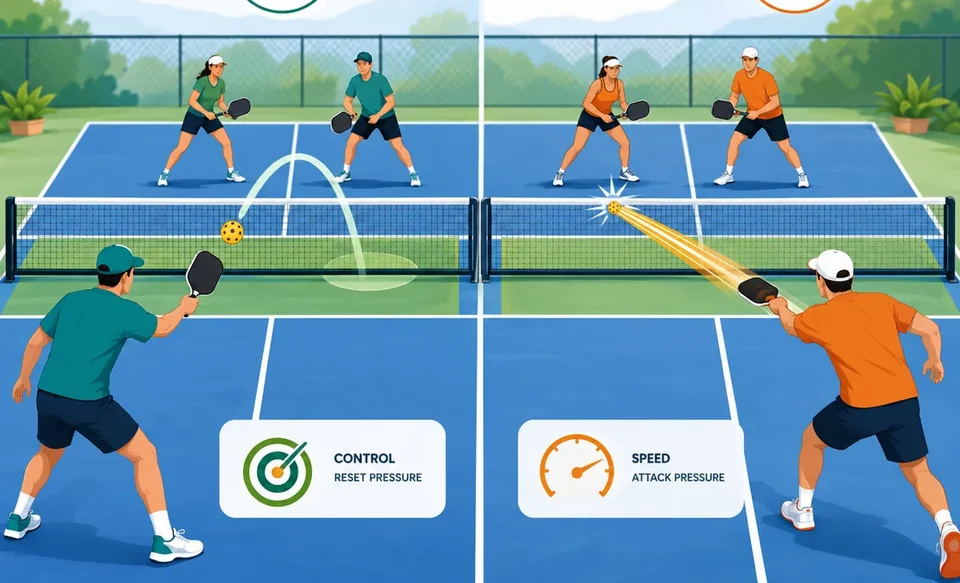
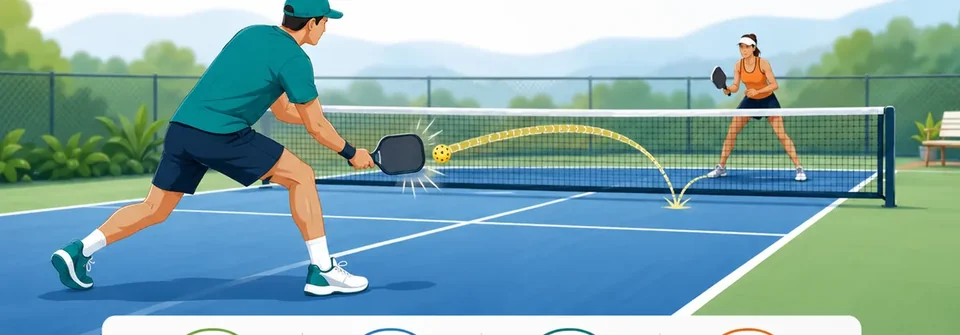
Tag the phase, contact situation and next decision. Do not turn one clip into a rating.
Choose a fair sample
Take ten consecutive points rather than ten highlights. Include points you won: an opponent’s miss can hide a weak decision. Note the context—singles or doubles, tired or fresh, wind, camera angle and approximate level. Your notes should not imply that a small sample represents your entire game.
Obtain permission before sharing identifiable footage. For private practice, keep the video on your own device when possible. Crop only to study movement; an extremely tight crop can remove the partner and opponent cues that explain why a choice was made.
Tag the situation before judging the shot
Label the phase: serve/return, third and fifth shot, transition, kitchen or emergency defense. Next, record whether you were balanced, reaching or still moving at contact. Finally, note whether the ball gave you time, took time away or invited an attack. These labels make different-looking misses comparable.
Watch one shot earlier. A volley into the net might begin with a rushed approach; a missed lob might begin with a poor read of the opponent’s balance. Avoid blaming the paddle or partner before checking the sequence. Write observable facts, then a separate hypothesis.
Choose a controllable next action
Replace “play better at the kitchen” with “return to a ready paddle position after every dink.” Replace “stop missing thirds” with “stop my feet before choosing drive or drop.” A useful correction is visible on the next recording and can be rehearsed without waiting for a perfect opponent.
Review the correction, not only the score
After two practice sessions, review another ten consecutive points. Count opportunities to use the correction and attempts to do it. The sample may still be too small to claim a performance improvement, but it can show whether the habit is becoming available in real play.
The Match Review tool saves your notes only in this browser when you press Save. It does not upload video, infer ball speed, identify players or calculate DUPR. Export the worksheet for your own records, and use the clear button when sharing the device.
Try it, then record it.
Ten-point worksheet: phase → balance → observed decision → alternative → one drill → review date. Save privately in Tools.
Open your worksheetPicklary practical framework. Practice targets are suggestions, not research findings or a certified rating.