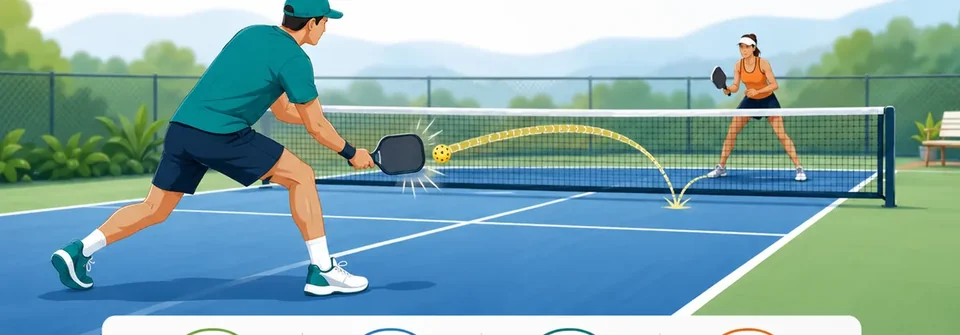
Patience is useful only when you are still making choices.
Choose what you are trying to move
A dink can be safe without being passive. You might ask an opponent to move sideways, reach forward, play a backhand from an awkward base or decide who owns the middle. Choose one of those jobs before you think about hitting harder. A ball that leaves the opponent perfectly balanced can be a good reset, but repeating it forever may also let that player settle into a comfortable rhythm.
Vary one feature at a time: direction, depth or pace. Trying to disguise a new direction while adding heavy spin and extra speed creates several chances for your own error. At club level, the simplest improvement is often noticing that the opponent has stopped moving and changing the next target.
A good speed-up starts before the swing
Do not speed up merely because a rally has lasted a long time. Check contact height, distance from your body, the opponent’s paddle position and your ability to recover. A ball that looks high while descending may still be below a comfortable attacking window by the time it arrives. An attack from a stretched position often leaves you unable to play the counter.
A compact flick is an option when you can contact in front and disguise the change of pace. It is not a rule that every floating dink must be flicked. Excessive wrist action can reduce repeatability. Begin with a small motion and a target that gives you room; add speed only after you can recover your paddle for the next exchange.
Recognize the ball you created
After moving an opponent wide, do not admire the placement. Read the reply. A stretched opponent may float the ball, but may also reset very well. If the reply is low, keep constructing the point. If it rises, choose a controlled attack and expect a counter. That final expectation matters: a strong shot does not automatically finish the rally.
Partners should share that intention. If one player is patiently moving the opponent while the other attacks the first neutral ball, the team is playing two different points. Between games, agree on one simple trigger—an in-front, balanced contact above your chosen attack height—and review whether you both respected it.
Score a practice game without rewarding impatience
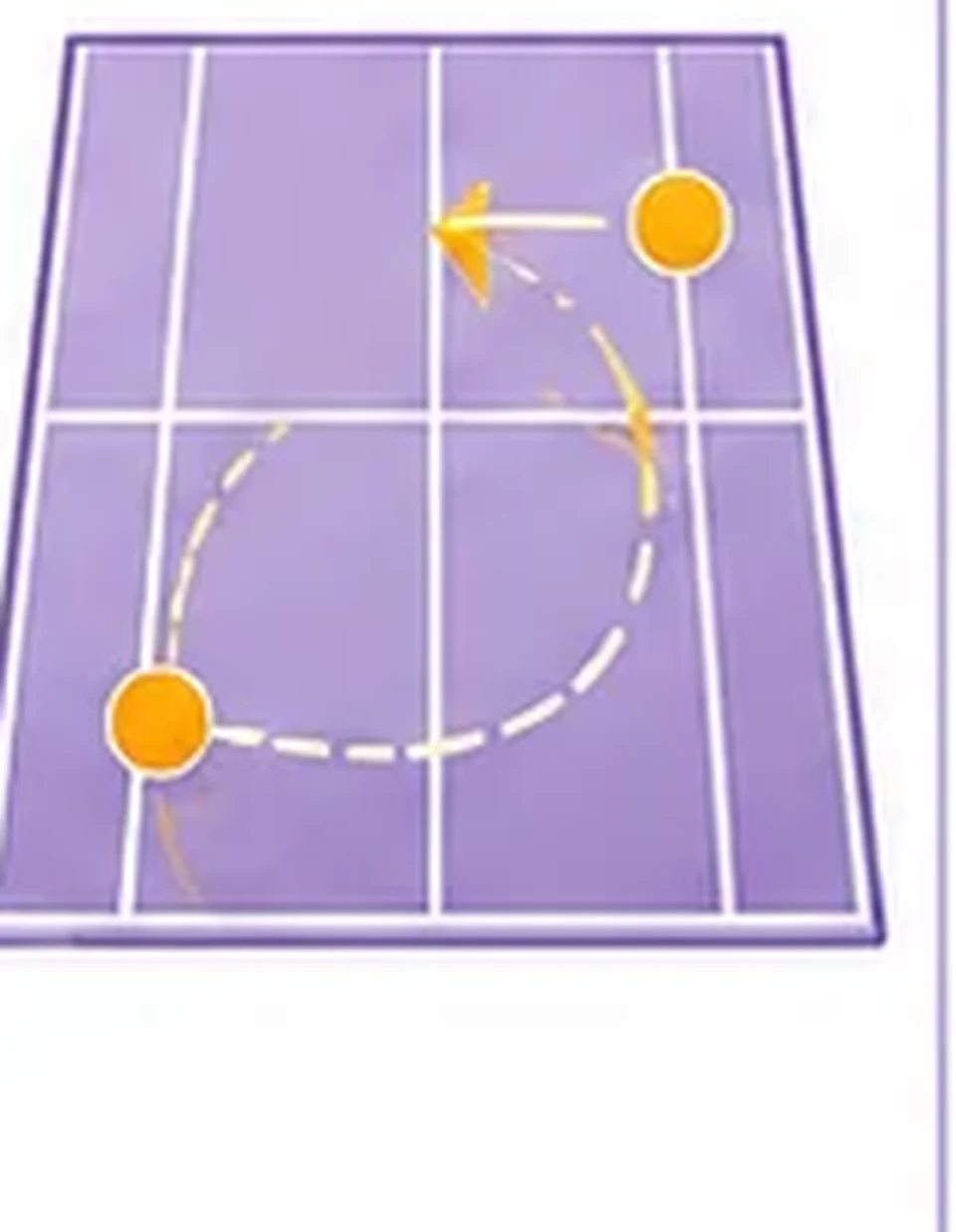
Play a cross-court dink game with no obligation to speed up. Award yourself a practice mark when you make the opponent change foot position without missing. Then play a second round where attacks are allowed but a rushed attack error costs two practice marks. This is a coaching exercise, not an official scoring format. It helps you separate intentional pressure from the urge to end the exchange.
Try it, then record it.
Two 5-minute rounds: first move the feet; then add attacks from balanced contacts. Write down one cue that helped you wait and one cue that justified attacking.
Open your worksheetPicklary practical framework. Practice targets are suggestions, not research findings or a certified rating.