Shoes
How to choose pickleball shoes
Pickleball asks for quick lateral movement, starts, stops, and split steps. This page explains court traction, lateral support, cushioning, width, outsole durability, and when a running shoe is not enough.
Fit-check checklist
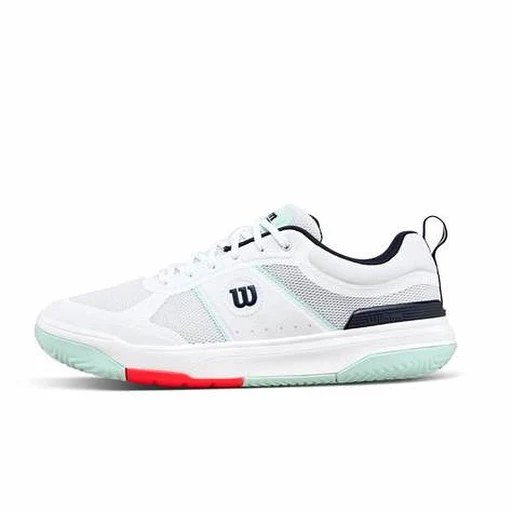
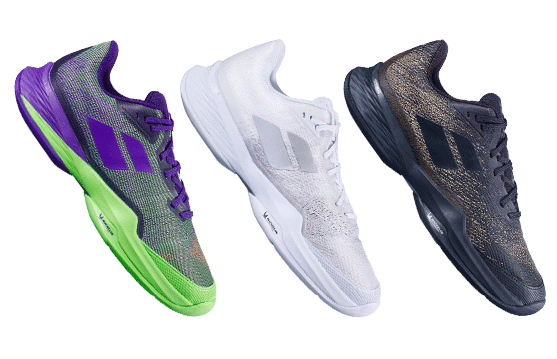
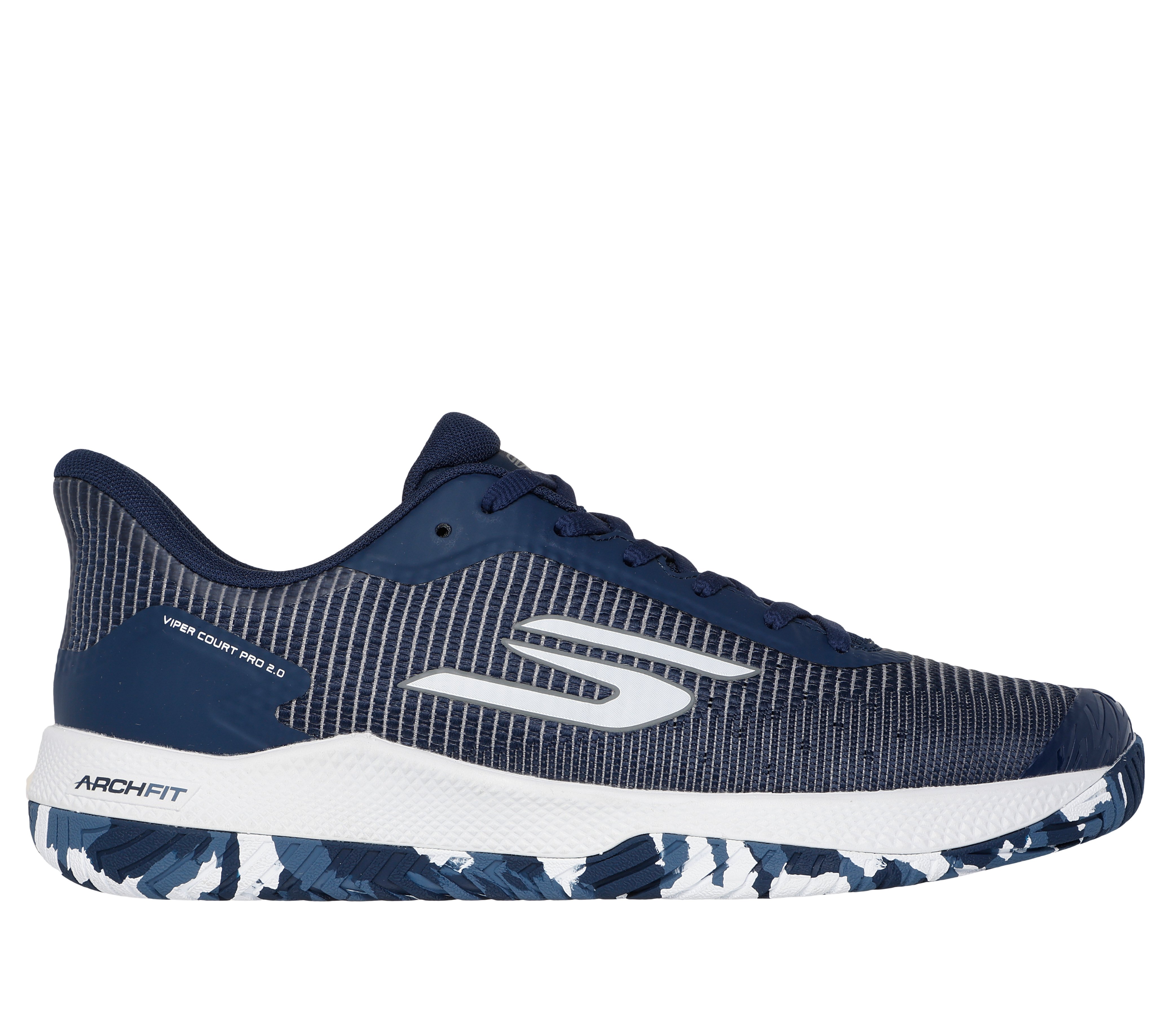
- Start with court shoes, tennis shoes, or pickleball shoes rather than running shoes. Lateral support matters more than straight-line cushioning.
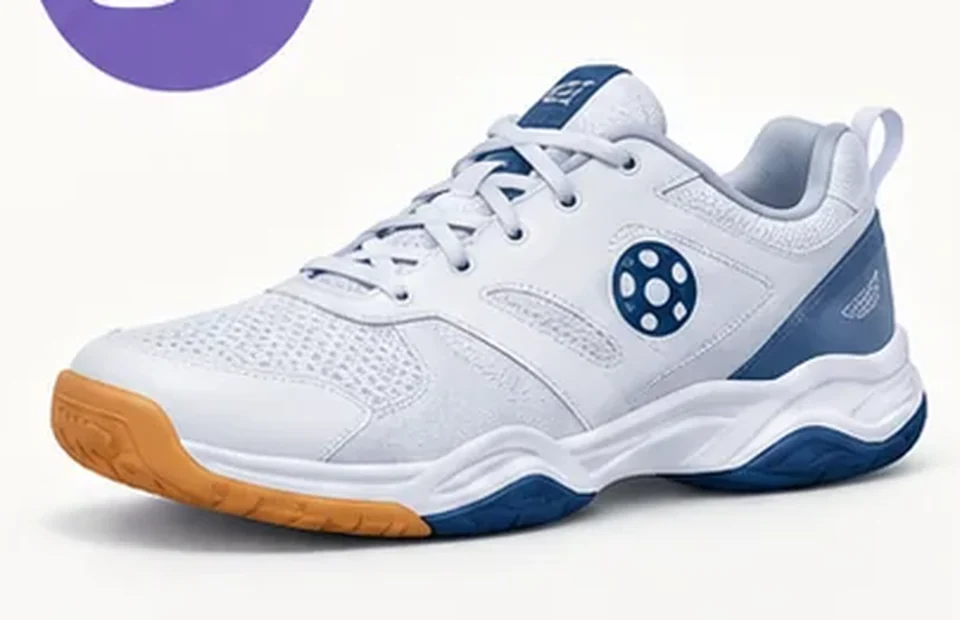
- Match the outsole to the surface: indoor sport courts, outdoor hard courts, and dusty community courts can feel very different.
- Check whether your foot slides inside the shoe during hard stops. Toe room is useful, but the midfoot should not float.
- If you have wide feet, try wide sizing before simply sizing up. If you have narrow feet, heel lockdown matters more.
- Cushioning should not make you feel unstable in a low ready position.
- Watch outsole wear on your dominant-side outside edge; it tells you whether the shoe can handle your movement pattern.
- If you roll ankles often, prioritize lateral stability and heel lockdown over a tall, soft platform.
- For tournaments, think about heat, fatigue, and comfort across multiple matches, not only the first game.
This page focuses on fit and verification criteria rather than pushing a product. Verify price, stock, sizing, and eligibility at the original source before purchasing.
Common questions players ask
Can I play in running shoes?
At a casual beginner level, sometimes. As your movement gets faster, running shoes may lack lateral support. If you slip or feel ankle instability, move to court shoes.
Is more cushioning always better?
Not always. Cushioning can reduce fatigue, but a tall soft platform may feel unstable during lateral moves. Balance comfort with stability.
Should I separate indoor and outdoor shoes?
If you play often on different surfaces, yes. It can preserve traction and outsole life, especially on dusty indoor courts or rough outdoor courts.
How to use this guide
Use gear decisions to solve a real on-court problem. If you slip, start with shoes. If the paddle twists in your hand, check grip size and overgrips. If shots float or feel unstable, review weight and balance. If sweat breaks concentration, apparel and bands may matter more than a new paddle. Connecting the issue to the gear keeps the page useful rather than promotional.
The same product can feel different indoors versus outdoors, in singles versus doubles, and for beginners versus advanced players. Picklary does not treat one item as a universal answer; it gives criteria readers can test against their own court, level, and goals.