Paddle face materials, compared: carbon fiber, fiberglass, hybrid
What the hitting surface actually changes — power, control, and spin.
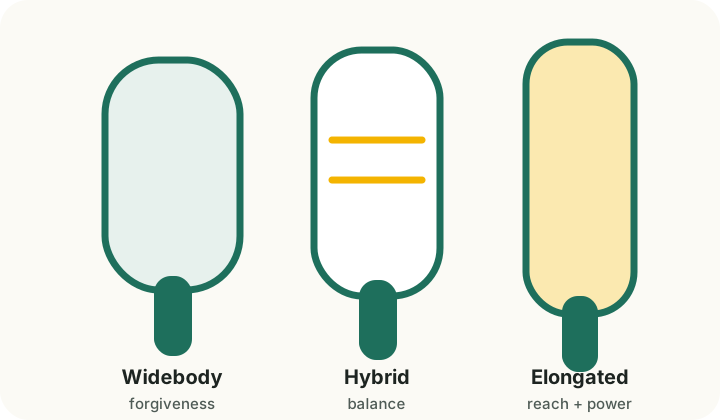
When you compare pickleball paddles, the face material is one of the biggest drivers of how a paddle feels and plays. It affects power, control, spin, and the size of the sweet spot. This guide explains the common face materials, what each one does, and how to pick the surface that suits your style and level — without getting lost in marketing.
Face versus core
A paddle has two parts that shape its feel: the core (almost always a polymer honeycomb today, which provides cushioning and quiet, consistent response) and the face, the hitting surface laid over the core. The core thickness affects touch and forgiveness, but the face material is what your ball actually grips and rebounds off, so it has an outsized effect on spin and feel.
Fiberglass (composite)
Fiberglass faces are flexible and tend to deliver more power and "pop." Because the surface flexes on contact, it can spring the ball back with extra pace, which many beginners and bangers enjoy. The trade-off is a smaller effective sweet spot and slightly less control on touch shots. If you want easy power and you mostly drive and serve hard, a fiberglass or composite face is friendly and usually affordable.
Graphite
Graphite faces are stiff and very lightweight. They give a consistent, predictable response and tend to favour control and touch over raw power. Players who live in the soft game — dinkers, droppers, and resetters — often prefer graphite for its precision and quick hands at the net. It is a long-standing, reliable choice for control-oriented players.
Carbon fiber
Carbon fiber, including the popular raw or textured "T700-style" surfaces, has become the dominant choice in modern control paddles. A raw carbon face has a slightly gritty texture that grips the ball, which helps generate spin, and it tends to be durable and very consistent across the face. Carbon paddles usually lean toward control and spin rather than pure power, which is why so many intermediate and advanced players gravitate to them.
Hybrid and composite faces
Many paddles blend materials — for example a carbon or graphite face over a particular core, or a composite weave — to balance power and control. There is no single "best" material; manufacturers tune the whole package (face, core, thickness, shape, and weight) to hit a target feel. Treat the material as one ingredient, not the whole recipe.
Surface texture and spin
The texture of the face affects how much the surface grips the ball, and grippier surfaces generate more spin. Because spin became such an advantage, governing bodies regulate how rough a paddle surface may be, and approved paddles must stay within those limits. In practice this means a textured carbon face will help your topspin and slice, but no legal paddle gives you unlimited spin — technique still matters more than the surface.
A note on construction
Modern "thermoformed" and unibody paddles wrap the face and core together for a stiffer, more connected feel and a larger sweet spot. Construction is changing fast, so when you read a spec sheet, look past the material name to how the paddle is actually built and what feel it is aiming for.
How to choose by style and level
Match the face to how you play. If you want power and you are early in your journey, fiberglass or composite is forgiving and fun. If you value control, touch, and spin — and especially as you move into the soft game — a graphite or raw carbon face will reward you. New players do not need the most expensive carbon paddle; a sensible mid-range paddle in the right style matters far more. For the bigger picture on picking a paddle, see how to choose your first paddle and our starter-kit guide.
Common beginner mistakes
- Buying purely on the material name without considering the whole paddle.
- Assuming a more expensive carbon paddle automatically suits a beginner.
- Expecting a textured face to create spin without proper technique.
- Ignoring core thickness and weight, which also shape feel.
Quick checklist
- Decide your priority: power, control, or spin
- Power-first → fiberglass/composite; control/spin → graphite or raw carbon
- Check core thickness and paddle weight, not just the face
- Confirm the paddle is on the approved list if you will compete
- Pick a sensible mid-range paddle over the most expensive one
Frequently asked
Which face material is best for beginners?
There is no universal best, but fiberglass/composite gives easy power and is forgiving, while raw carbon or graphite suits players who want control and touch. Choose by your style, not price.
Does a carbon face really add spin?
A textured carbon surface grips the ball and helps spin, but roughness is regulated and technique matters more. It assists spin; it does not manufacture it for you.
Is graphite or carbon fiber better?
Both favour control over power. Graphite is a classic, consistent control surface; raw carbon adds grip for spin and is the modern trend. Feel preference decides it.
Do I need an expensive paddle to start?
No. A sensible mid-range paddle in the right style will serve a new player far better than the most expensive carbon model.